
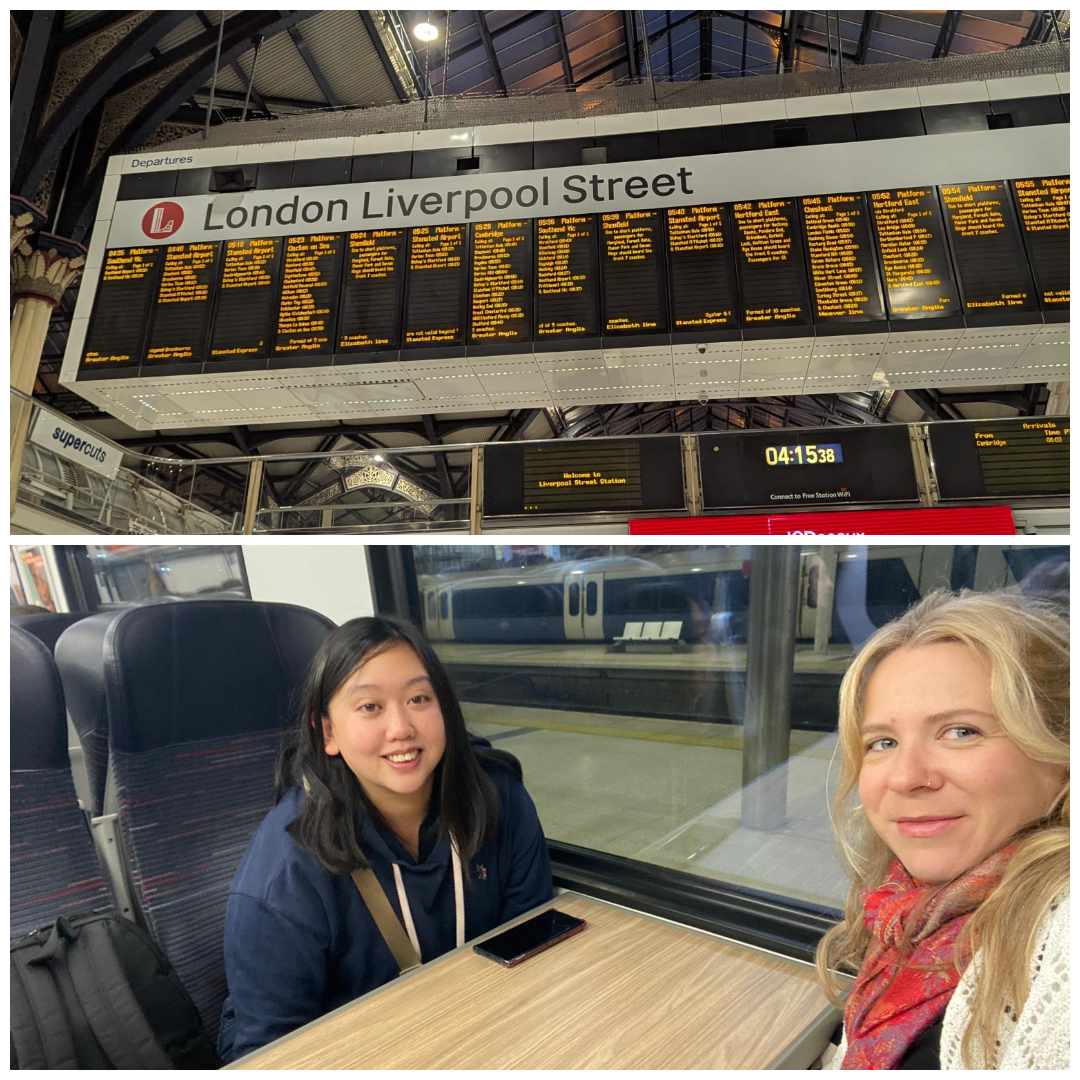
Scarred by the perception of one of Europe’s most recent wars, Bosnia and Herzegovina turned into one of my favourite city breaks in Europe. With a suitably ‘typical’ 3:00am wake up call with Ryanair flight timings, Alice and I embarked on a 4-day mini escape to Sarajevo and Mostar. The beautiful country captured stunning natural beauty, a rich cultural blend of East/West and a deep and poignant history.
Having landed in Bosnia’s capital, our first journey was a curious wander towards the bus stop from Sarajevo Airport to the City Centre. With no buses in sight, a stocky and larger than life local driver approached us selling a KM 10 (£4.50) transfer to The Latin Bridge. A bloke with a van, why not!?
We waited in his mini-van whilst he gathered other unsuspecting tourists. Hey!! Where are you from? ENGERLAND!? It was all the ammo he needed, where he bellowed out at other tourists. “English tourists in here TOO!“ Nevertheless we admired the entrepreneurial spirit as he filled the mini-van with other travellers, then weaved in and out of traffic, seemingly knowing every single driver out there in the city as he chatted animately out of the window to every vehicle we passed.

Below are our Top 10 Tips on a joint city break and how to make the most of a long weekend in such a intriguing and beautiful country.
1). Embark on a Free Walking Tour in Sarajevo
We arranged a free walking tour with Guruwalk with Adis. Having landed mid-morning, we booked a 16:30 tour and exploring the historic and cultural heart of the city. Adis grew up during the Bosnian War and he spoke of his memories during the war. With his storytelling, we saw where bullet holes peppered residential buildings and the Sarajevo ‘roses’ which are the concrete scars in the pavement caused by mortar shell explosions. I’d highly recommend Guruwalk as a informative way to get grips of a new city.

2). Catch a beautiful sunset from Yellow Fortress
The Yellow Fortress (Žuta Tabija) is one of Sarajevo’s most beloved and significant historical landmarks, particularly famous for offering the best panoramic view of the city. We chatted with a Geordie girl we met on the walking tour called Asya who coincidentally lived in South London too. After the walking tour we hiked up to the viewpoint together and watched the sunset.

3). Take the Trebević Cable Car and See the Abandoned Olympic Bobsleigh Track
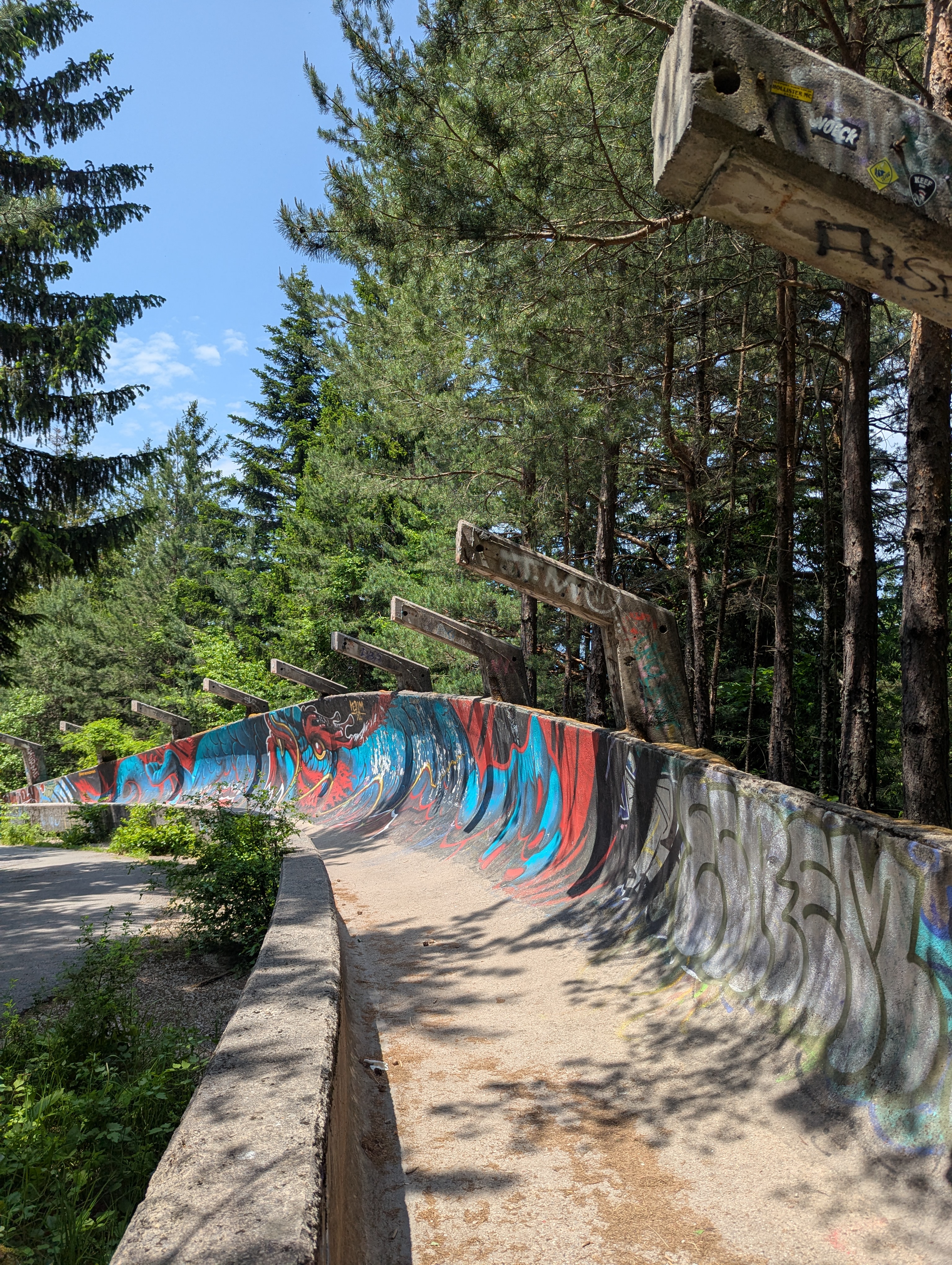
With 2 days in Sarajevo, we took the cable car up to Mount Trebević. The gondola lift covers a distance of approximately 2.2km, climbing about 550m in elevation. One of the most fascinating sights is the Abandoned Olympic Bobsled Track. It is a short walk from the upper station and it leads you to a concrete bobsled and luge track built for the 1984 Winter Olympics. The track, damaged during the war, is now a decaying yet fascinating ruin covered in vibrant street art and graffiti.


4). Catch the scenic train journey from Sarajevo to Mostar
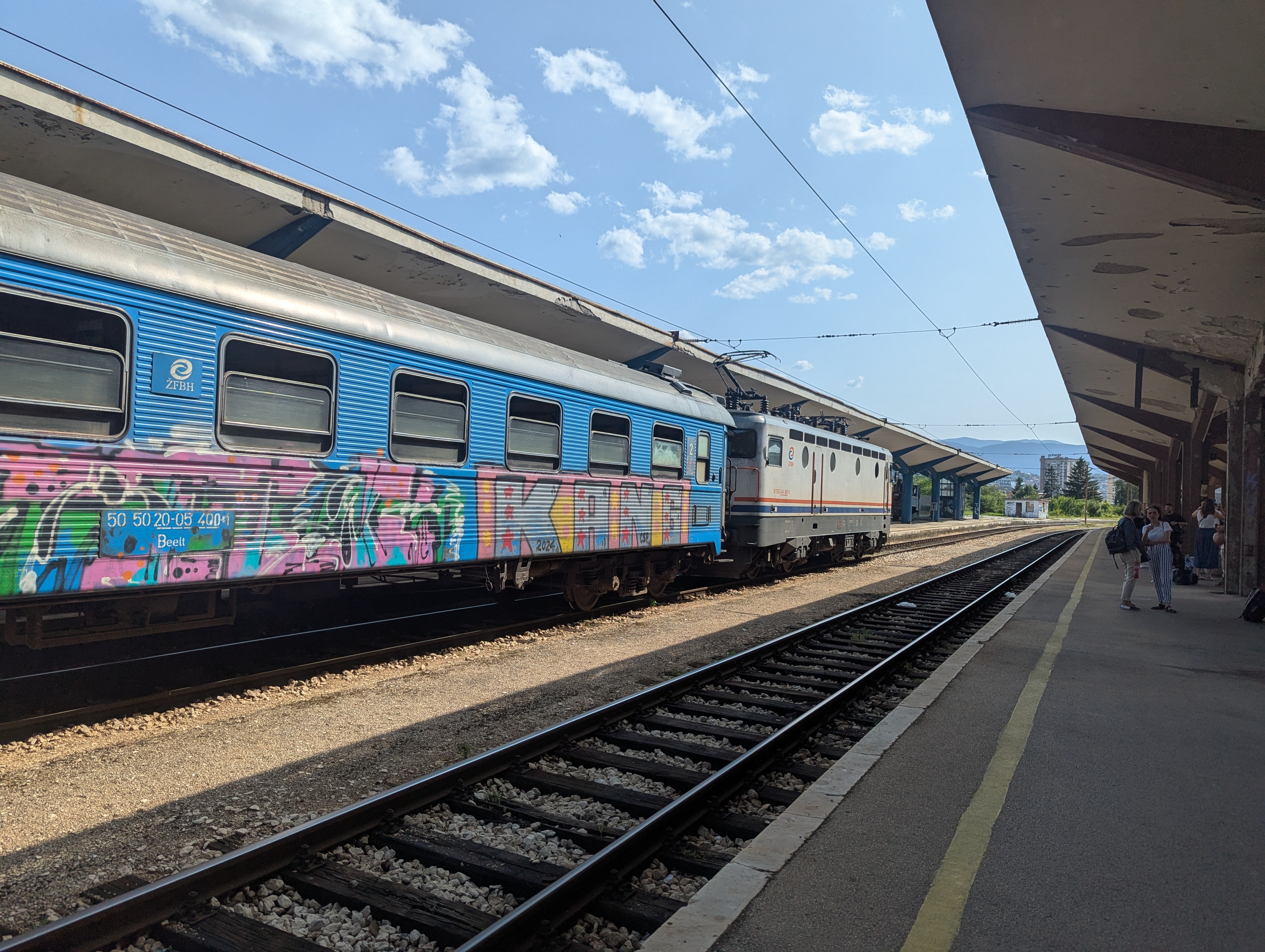
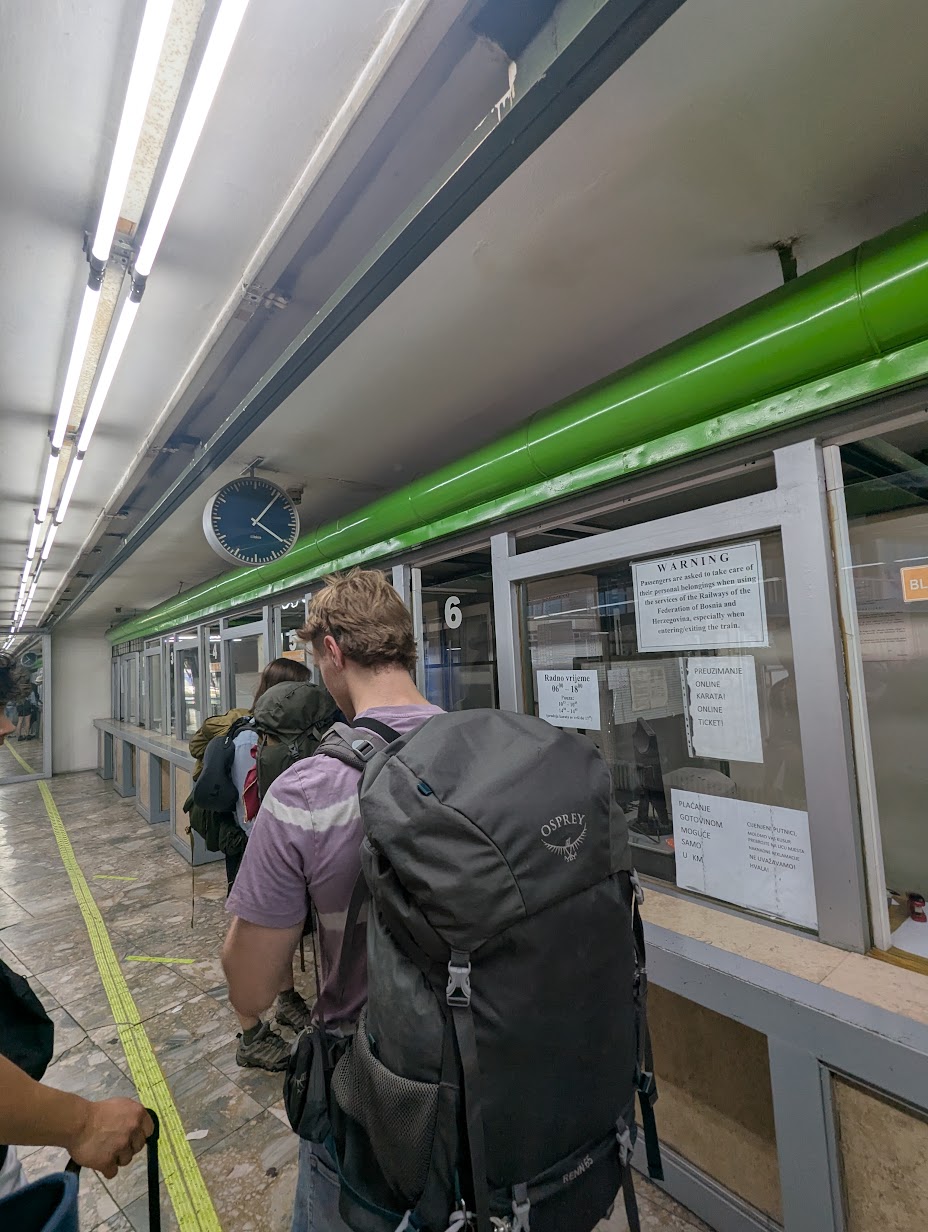
The train journey between Sarajevo and Mostar in Bosnia and Herzegovina is widely considered one of the most scenic train routes in Europe, offering spectacular views as the train traverses the mountainous landscape connecting the country’s two major cities. It is a 2 hour journey with only 2 departures per day, one morning train at 7:15am and an afternoon train at 4:50pm. We opted for the late afternoon train for KM 14.10 (around £6.50). Trains are cash only and tickets need to be purchased before boarding. The train station is approximately a 40 minute walk from Sarajevo city centre.


5). Experience the stark reality of the War Museums
The Bosnian War (1992–1995) was a devastating international armed conflict that arose from the breakup of the Socialist Federal Republic of Yugoslavia. Sarajevo endured one the longest sieges of any capital city in modern warfare. There are many museums in the city where you can learn more about the history, the main one being the Museum of Crimes Against Humanity and Genocide.
During our time in Sarajevo, we chose museums that bore a non-political spectrum and instead displayed the deeply personal impacts of war. We visited Gallery 11/07/95, a photo exhibition dedicated to preserving the memory of the Srebrenica genocide, and the War Childhood Museum. This was a collection of over 5,000 objects such as toys, diaries, letters, clothes each donated by an adult who experienced the Bosnian War as a child.

6) Taste the Bosnian cuisine
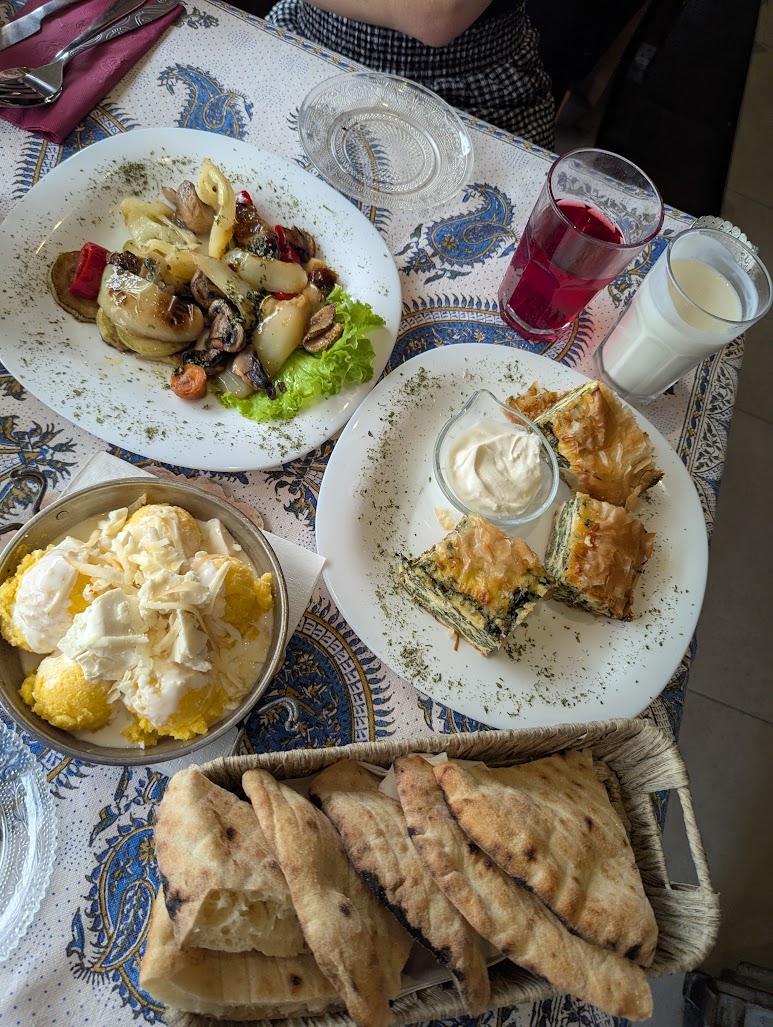
I spend an awful lot lot of time googling restaurant reviews when abroad. Bosnian cuisine is a hearty, flavorsome blend of Eastern (Ottoman/Turkish) and Western (Central European/Mediterranean) influences, resulting in dishes that are generally simple, but rich in flavour and slowcooked to perfection. Alice and I cited our favourite meal as one in Sarajevo at Nanina Kuhinja. We’d recommend making a reservation to guarantee a table.
7). Explore Baščaršija (The Old Town) in Sarajevo and Stari Grad in Mostar
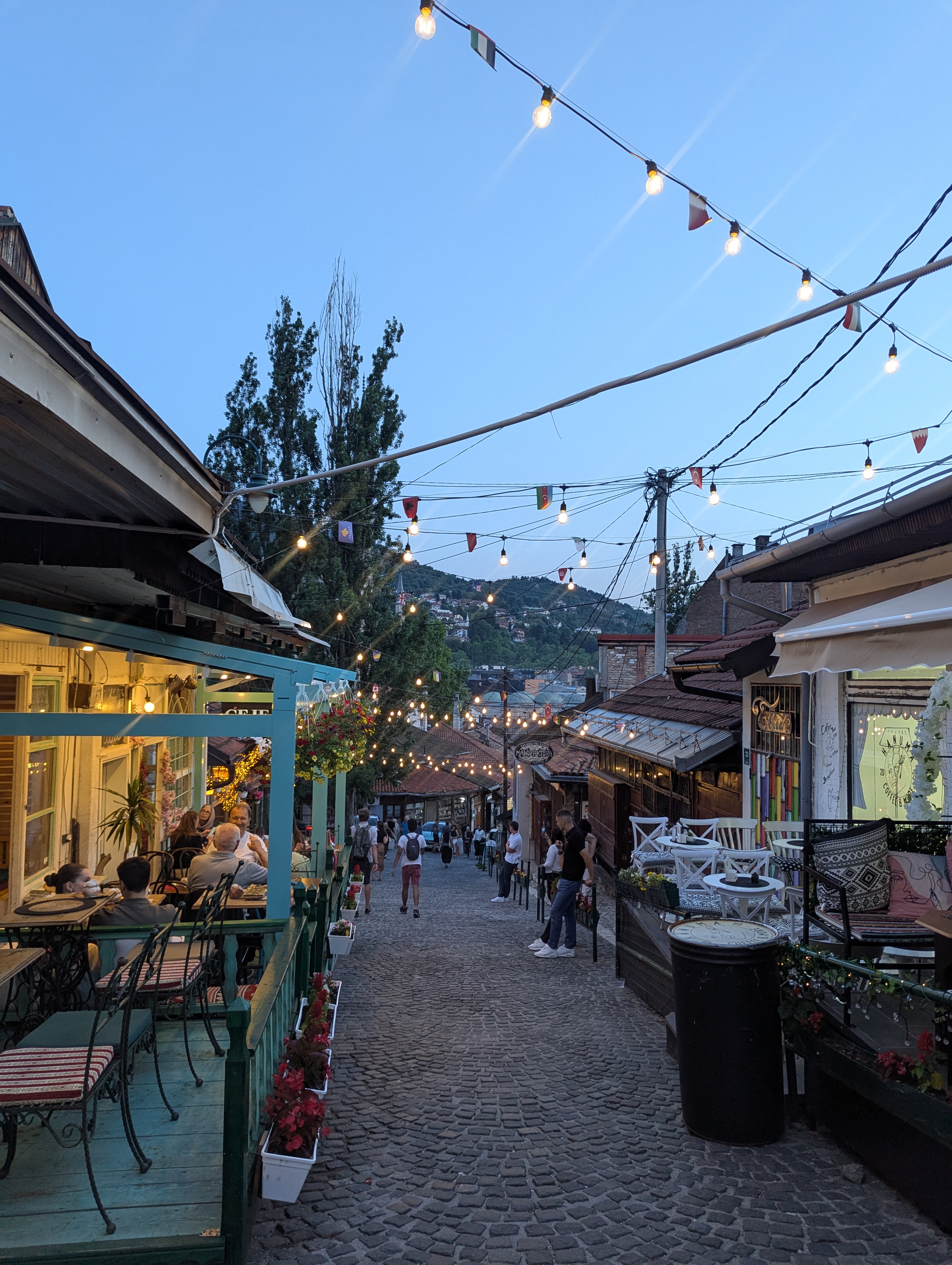
We loved the atmosphere of the Old Town in both Sarajevo and Mostar. With cobbled streets, inviting cafes and colourful stalls, The Old Town of both cities were bazaars full of character where you could smell local BBQ restaurants, hear the call to prayer and witness centuries of history, culture, and religion seamlessly blending into one.

8) See Blagaj Tekke, Europe’s Islamic equivalent of Tiger’s Nest Monastery
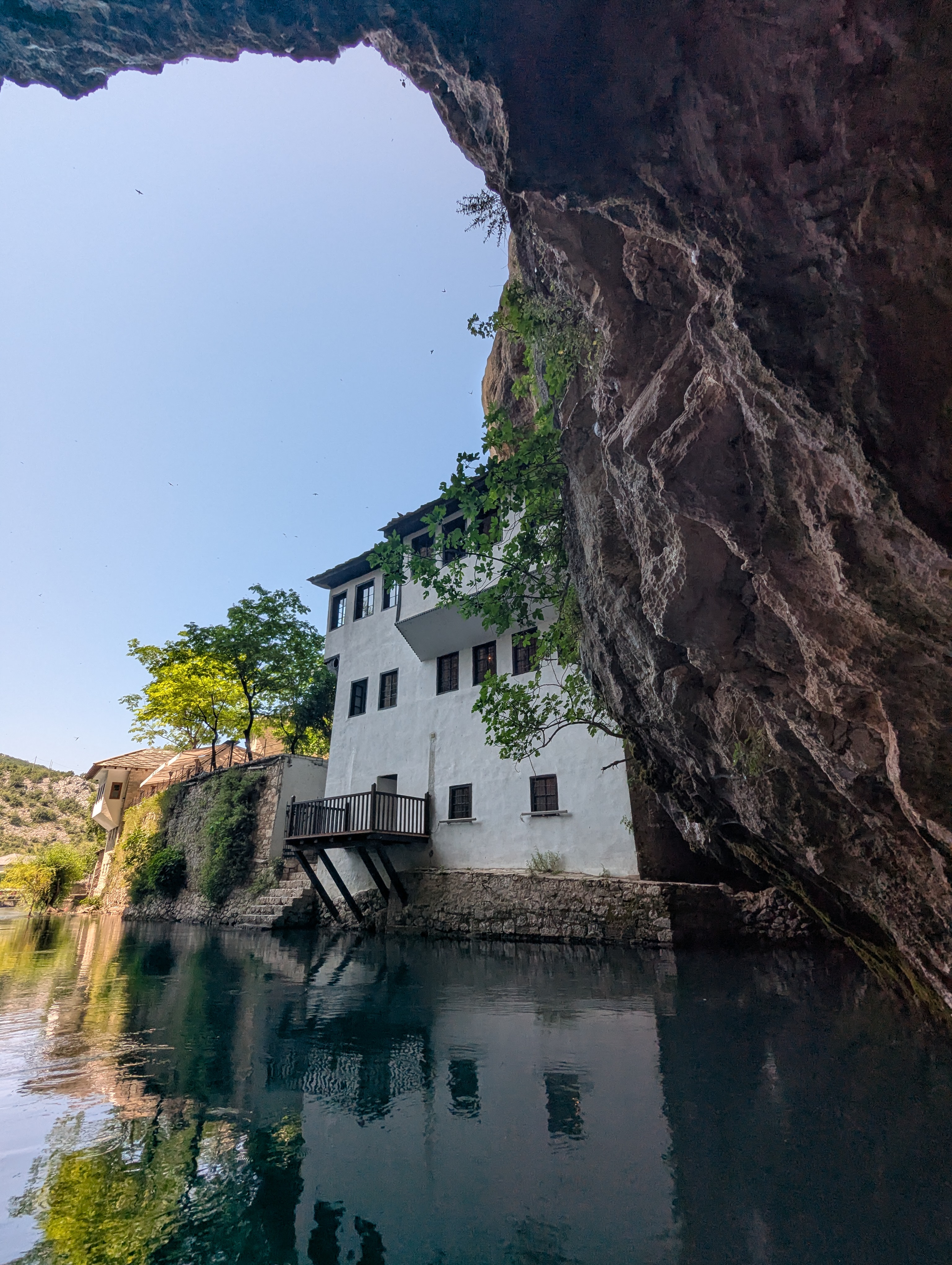
We booked a full day excursion with iHouse Travel and managed to get 2 places for the next mornings departure. Included in the tour is the Blagaj Tekke, one of Bosnia and Herzegovina’s most striking historical and spiritual sites, famous for its incredible natural setting.
It is a Dervish monastery nestled at the base of a towering, vertical cliff, directly beside the Vrelo Bune—the powerful karst spring that is the source of the Buna River. Alice and I took a boat trip just beneath the monastery for a panoramic view.

9) Swim at Kravice Waterfalls
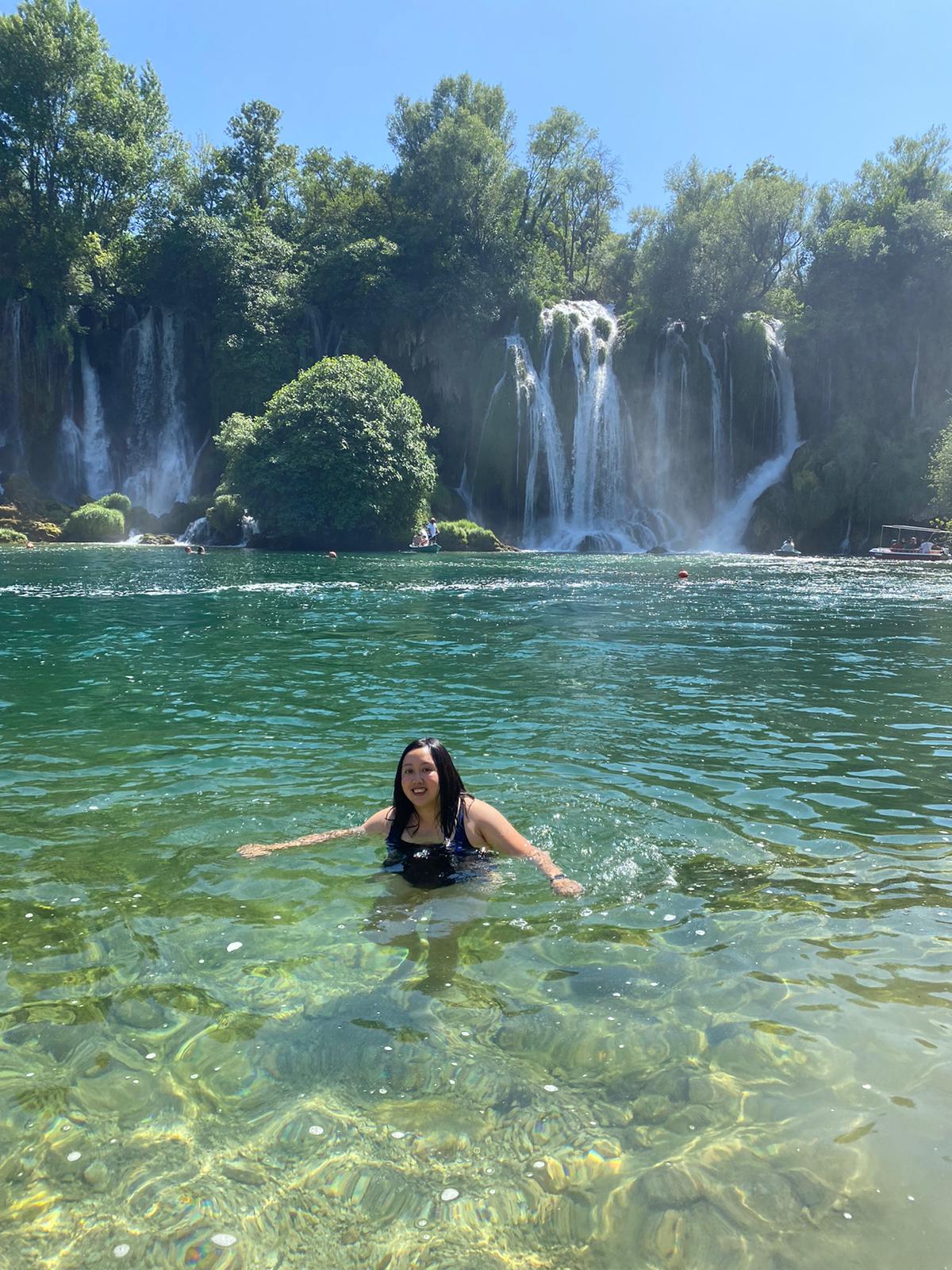
The Kravice Waterfalls (also known as Kravica Waterfalls) is located in the Herzegovinian region near the town of Ljubuški, approximately 25 miles south of Mostar. The falls were a refreshing dip from the 32° daytime temperatures and we loved the chance to swim there.

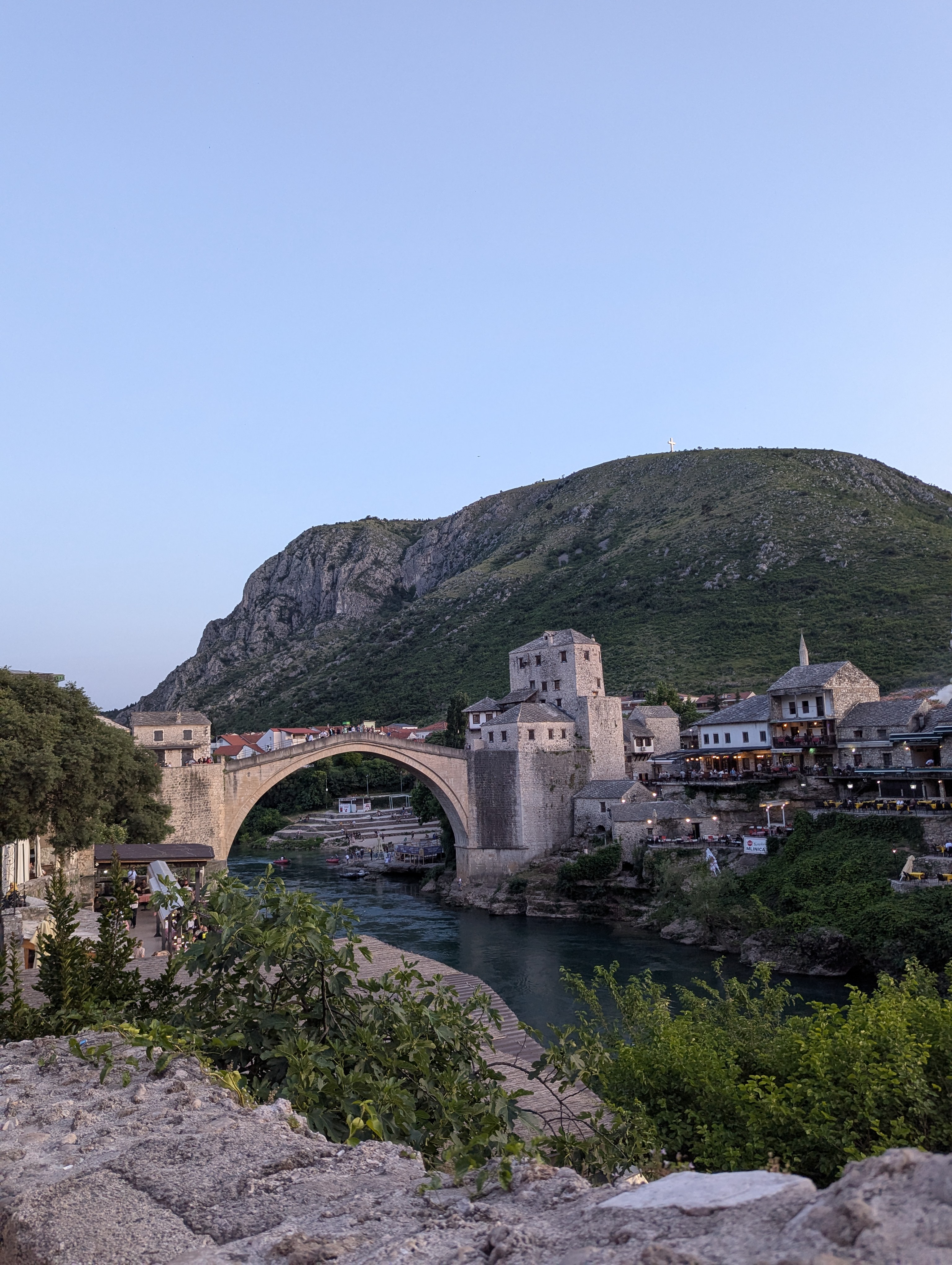
10) Have dinner overlooking one of the most famous bridges in Europe, Stari Most
Stari Most (meaning “Old Bridge”) is one of the most recognisable bridges in the world. It is a powerful symbol of the country’s history, architecture, and multicultural identity and is a UNESCO World Heritage Site.
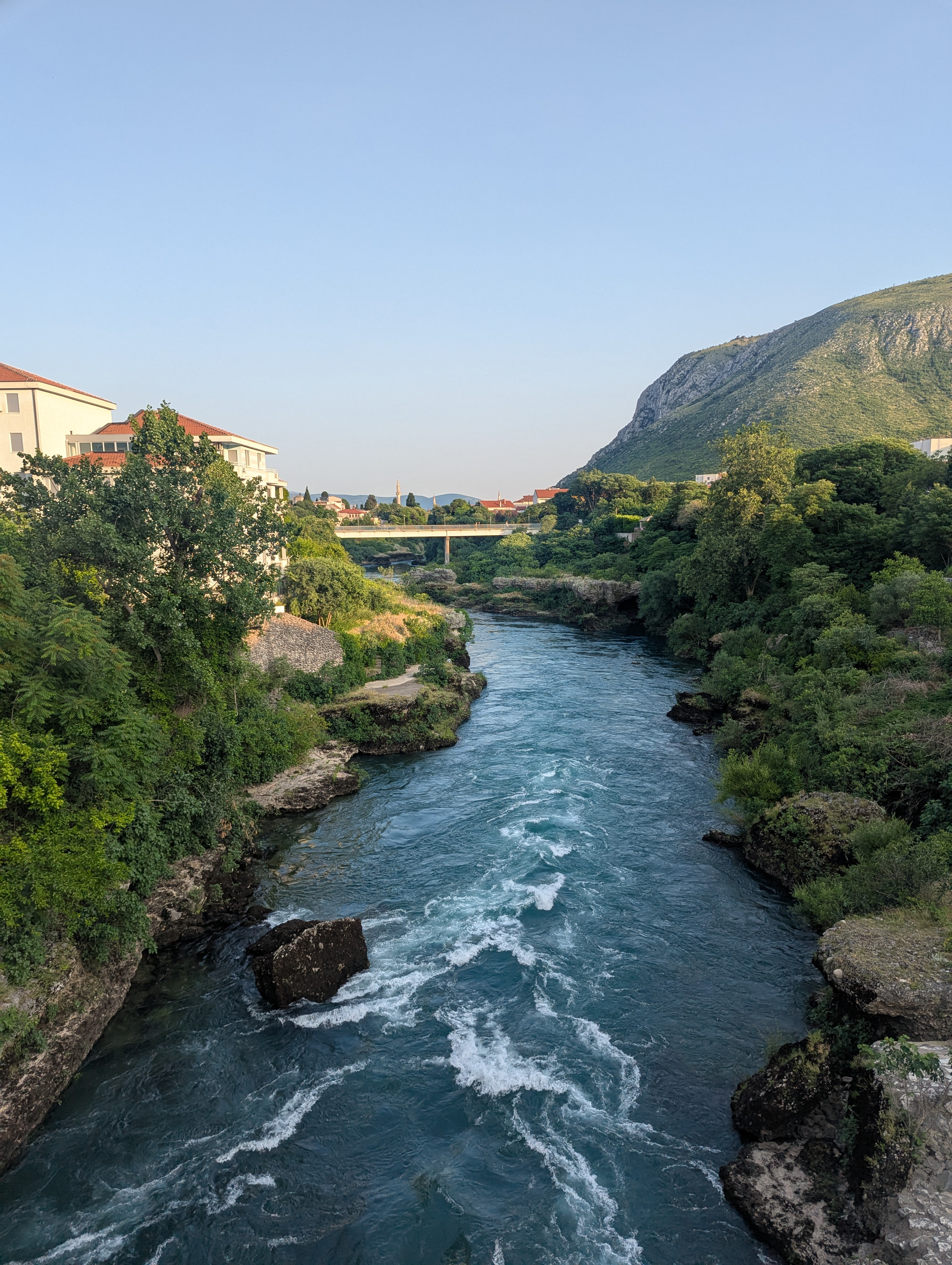
For our final evening, Alice made a booking (via Instagram) at Terrace Lagero which has fantastic food and a great view of the bridge. You’ll be right in the heart of the Old Town, listening to the sounds of the Neretva River rushing below and watching the crowds of people passing by. It’s a charming and lively sunset experience with dinner in the evening.
Trip Tips:
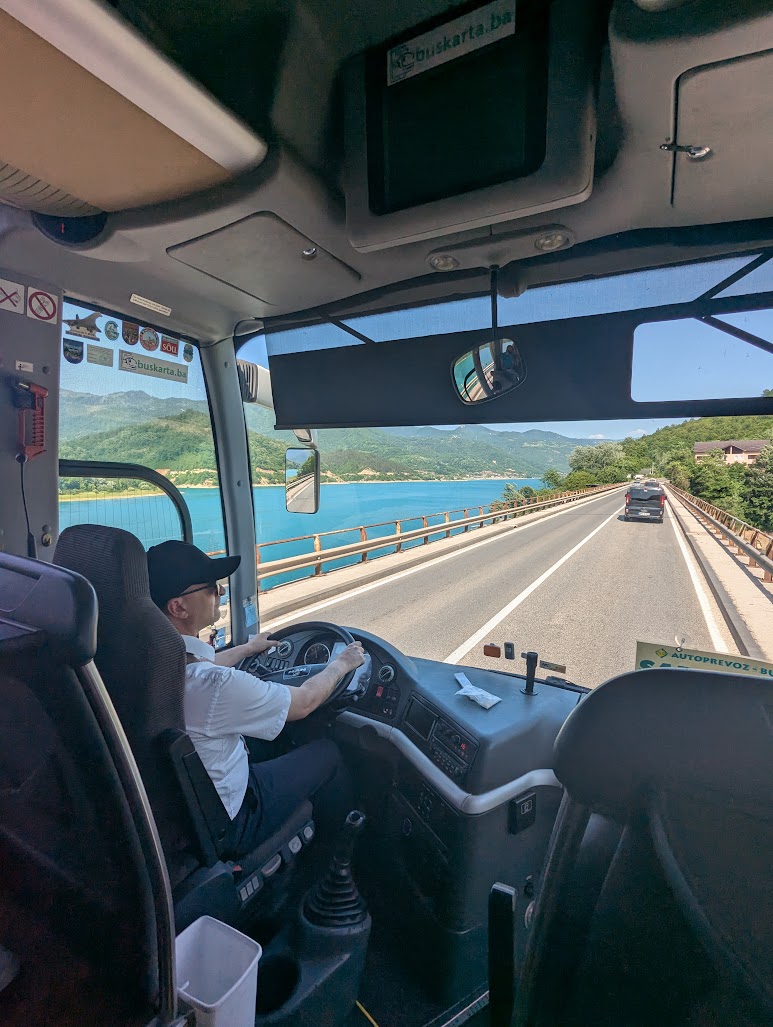
- Take a scenic coach journey from Mostar back to Sarajevo! We discovered (on whim) that if we got off the coach a few stops earlier, we were just a 20 minute walk back from the airport. We strolled into the airport having walked back from a random bus stop with our backpacks. It was a great combination taking the train, then a coach for the 2 journeys from Sarajevo/Mostar and back.

- Most ATMs in Bosnia charged €4-5 (10 Marks) to withdraw cash, we later found out that UniCredit Bank was one of the few banks without withdrawal fees. Many restaurants take card. I highly recommend using Monzo for trips fee free spending abroad.
- If you have a longer timeframe, consider pairing Mostar and Sarajevo with Dubrovnik in Croatia. Dubrovnik is situated only 2.5 hours away from Mostar.
- Bring some good walking shoes, the Stari Most is slippery, especially the cobbled slope as the stone has been polished smooth by centuries of foot traffic.
- We stayed at Hotel Nova Bentbaša in Sarajevo and in Villa Hodžić in Mostar, both properties were a great bases for city exploration. Accommodation was competitively priced at approximately £40 per night.
- If you have any questions please feel free to comment here and I will be happy to help.


 Days of Adventure